
INSUMATECH
العربيةEnglish
Contact us

Waterproofing, Thermal Insulation & Concrete Repair

A comprehensive overview of insulation systems and repair steps used to protect buildings and improve efficiency.

Building protection starts with the right insulation system

Definition of insulation

Insulation is the use of materials and methods to protect buildings or reduce the impact of external factors such as water, moisture, and heat, as well as internal factors affecting user comfort. The system is selected according to site conditions and facility type.
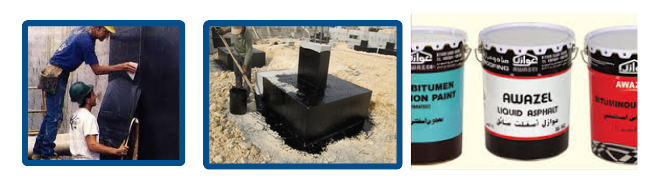
Importance of insulation

Waterproofing and thermal insulation are essential to protect concrete structures from reinforcement corrosion and rust, reduce energy consumption, and improve indoor comfort. Early prevention reduces future repair costs.

Elements commonly insulated

Internal surfaces such as bathrooms, kitchens, basements, and water tanks; external surfaces such as roofs, exposed balconies, planter boxes, and pools; as well as foundations, footings, grade beams, and retaining walls.

Insulation systems

Main insulation types

  • Waterproofing
  • Thermal insulation
  • Acoustic insulation when required

Materials and technologies selected by site condition

Modified bituminous membranes

Polyester or fiberglass reinforced membranes with different weights and thicknesses, saturated with modified bitumen, including plain and mineral-finished UV-resistant types.

Liquid-applied insulation systems

Includes hot and cold bitumen, polyurethane, polyurea, acrylic, cementitious, or epoxy materials depending on surface condition and protection requirements.

PVC, EPDM, and HDPE membranes

Membrane systems installed by heat welding and used in applications requiring high resistance, flexibility, and long-term performance.

XPS and polyurethane thermal insulation

Low thermal conductivity materials that reduce heat transfer, lower cooling and heating loads, and improve energy efficiency.

Roof insulation steps

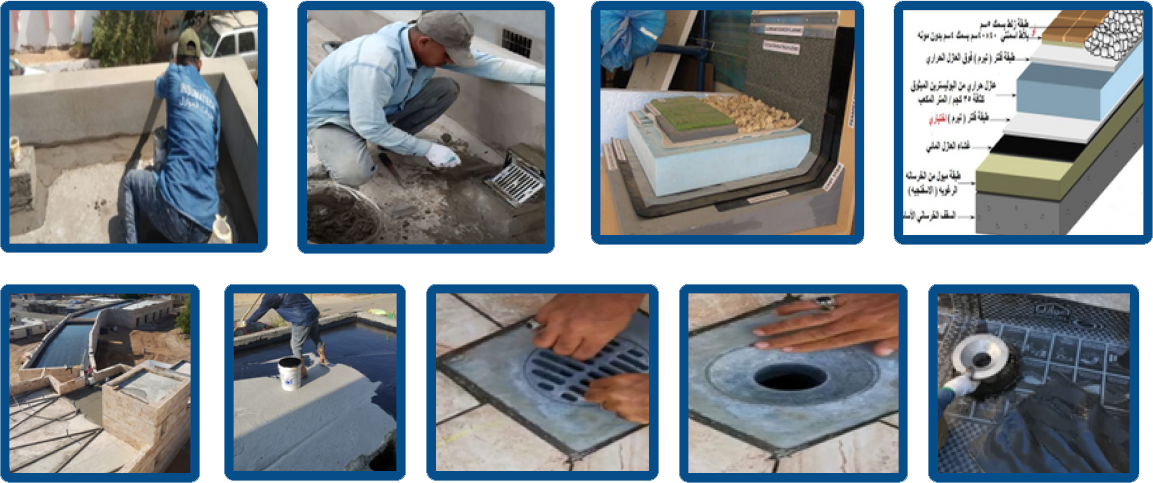
Roof insulation steps - traditional or inverted system

  1. Clean the surface from dust, mortar droppings, and weak materials.
  2. Ensure plumbing, drainage, and AC penetrations are completed and honeycombs or cracks are treated.
  3. Prepare slopes and rainwater drainage areas according to technical specifications.
  4. Install fillets at wall-roof junctions and apply primer or bonding material.
  5. Apply required insulation layers, followed by protection or thermal insulation layers according to the approved system.
Request technical consultation
Chat on WhatsApp